01
Foraging tour
Come out into nature and learn to forage. I first give an introduction to what it is, tell a little about season and conditions. Along the way I show which herbs are available, give advice and ideas on how the herbs can be used. My tours always end with a review of what was found on the day – and there are no silly questions.
02
Mushroom Tour
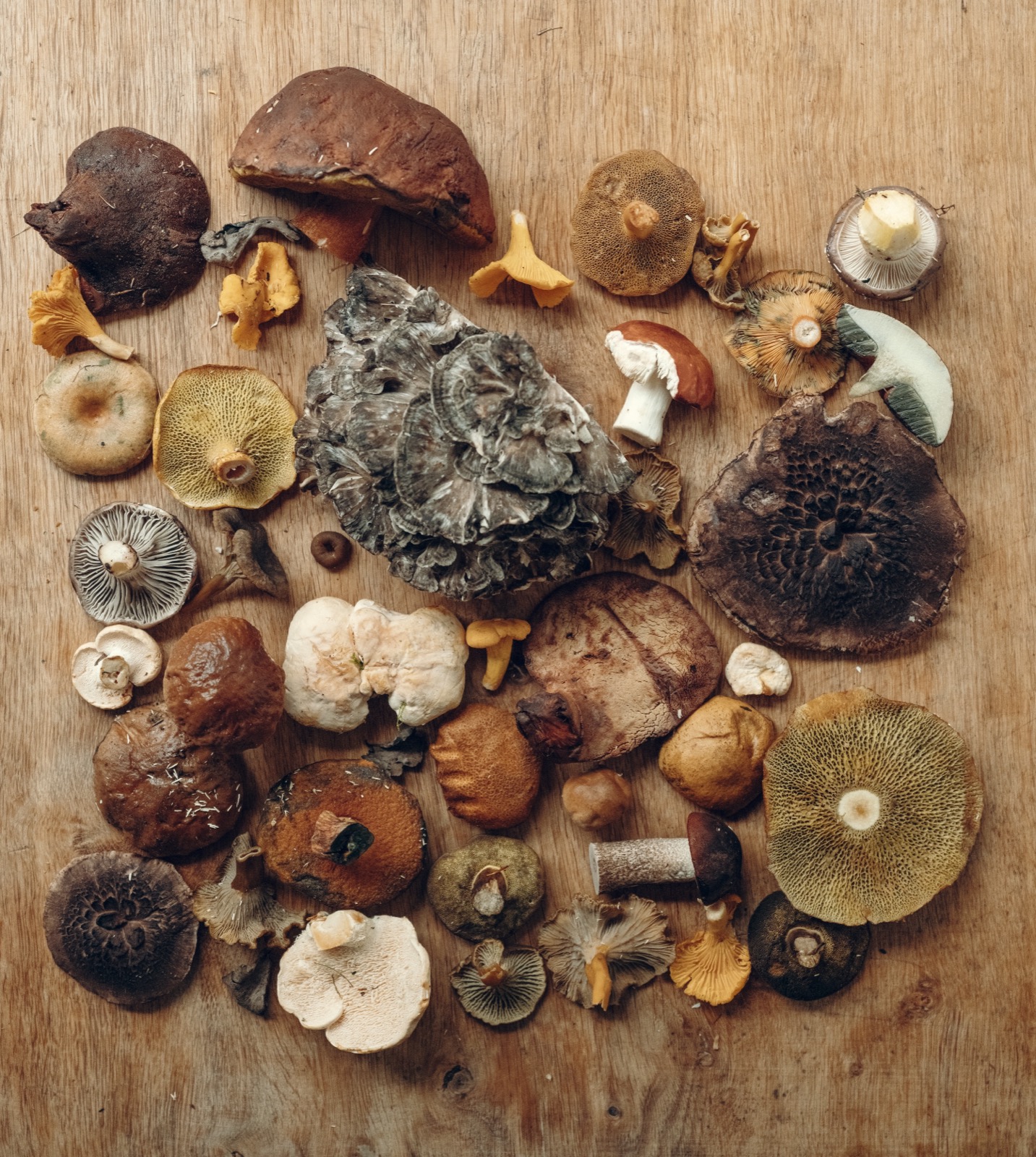
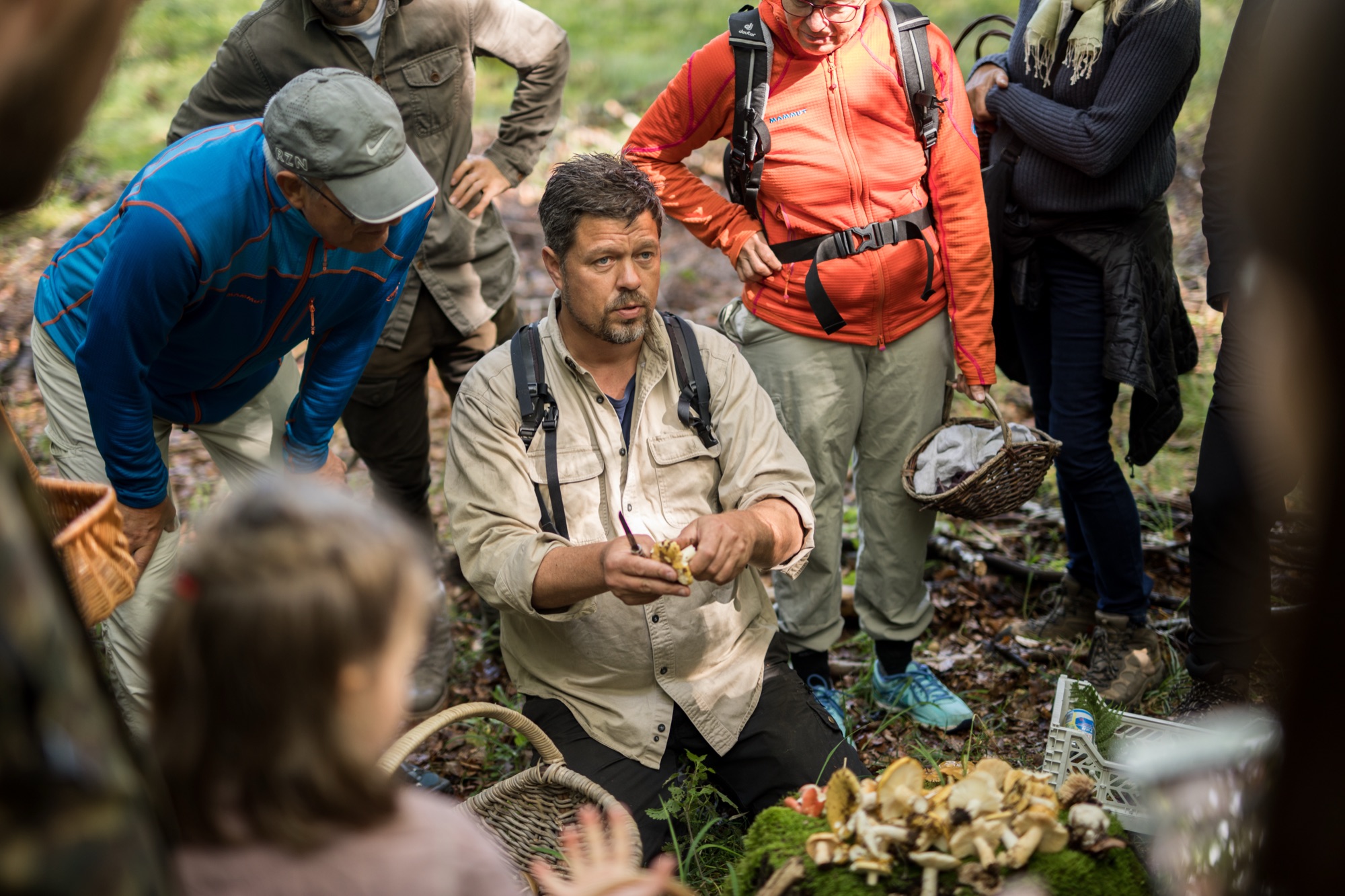
Come out into the Danish forests and learn to find mushrooms. I tell you about identification, lookalike species and how to use mushrooms in the kitchen. Autumn means mushrooms, and that is exciting. Tours in September and October.
03
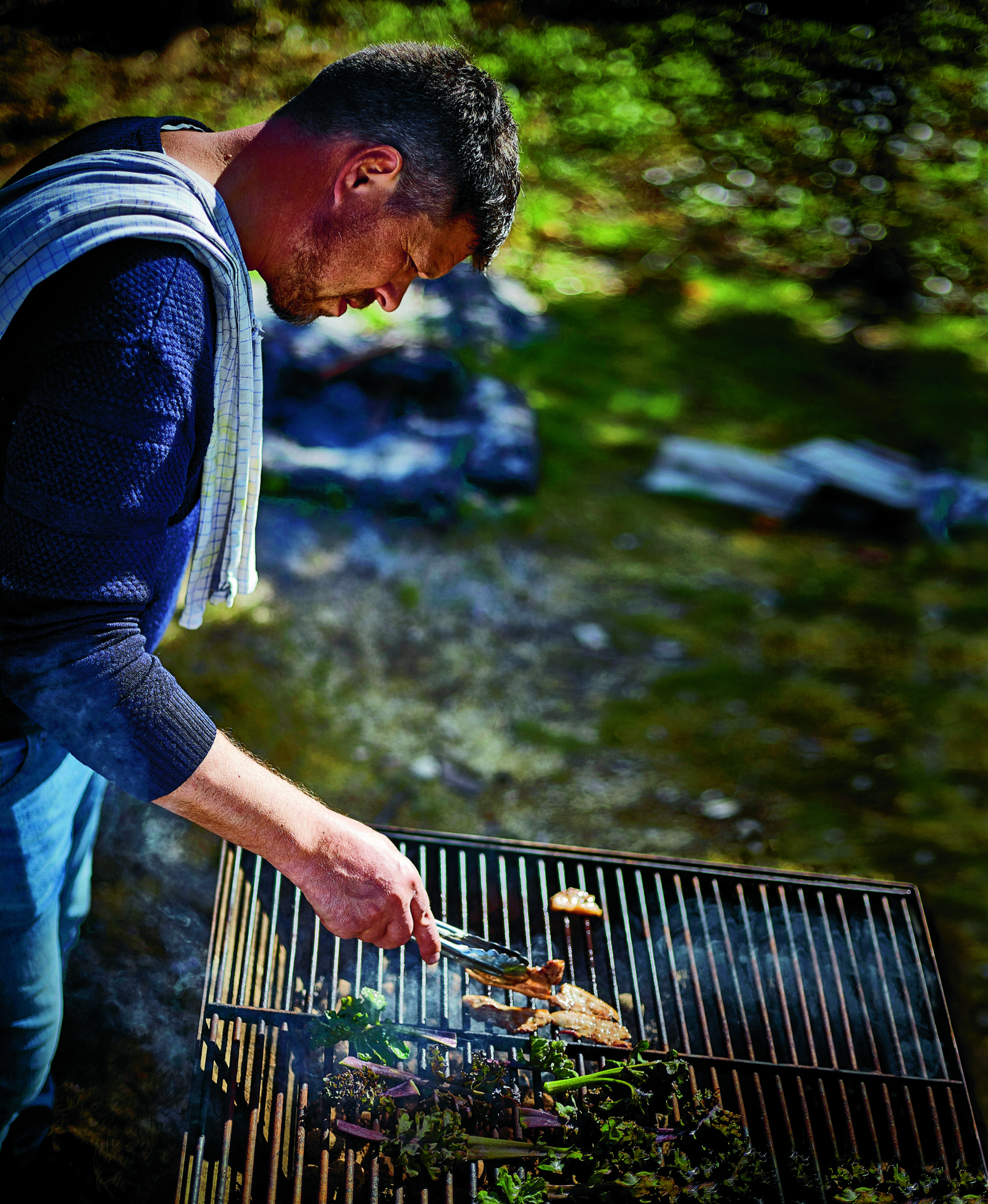
Foraging tour with cooking
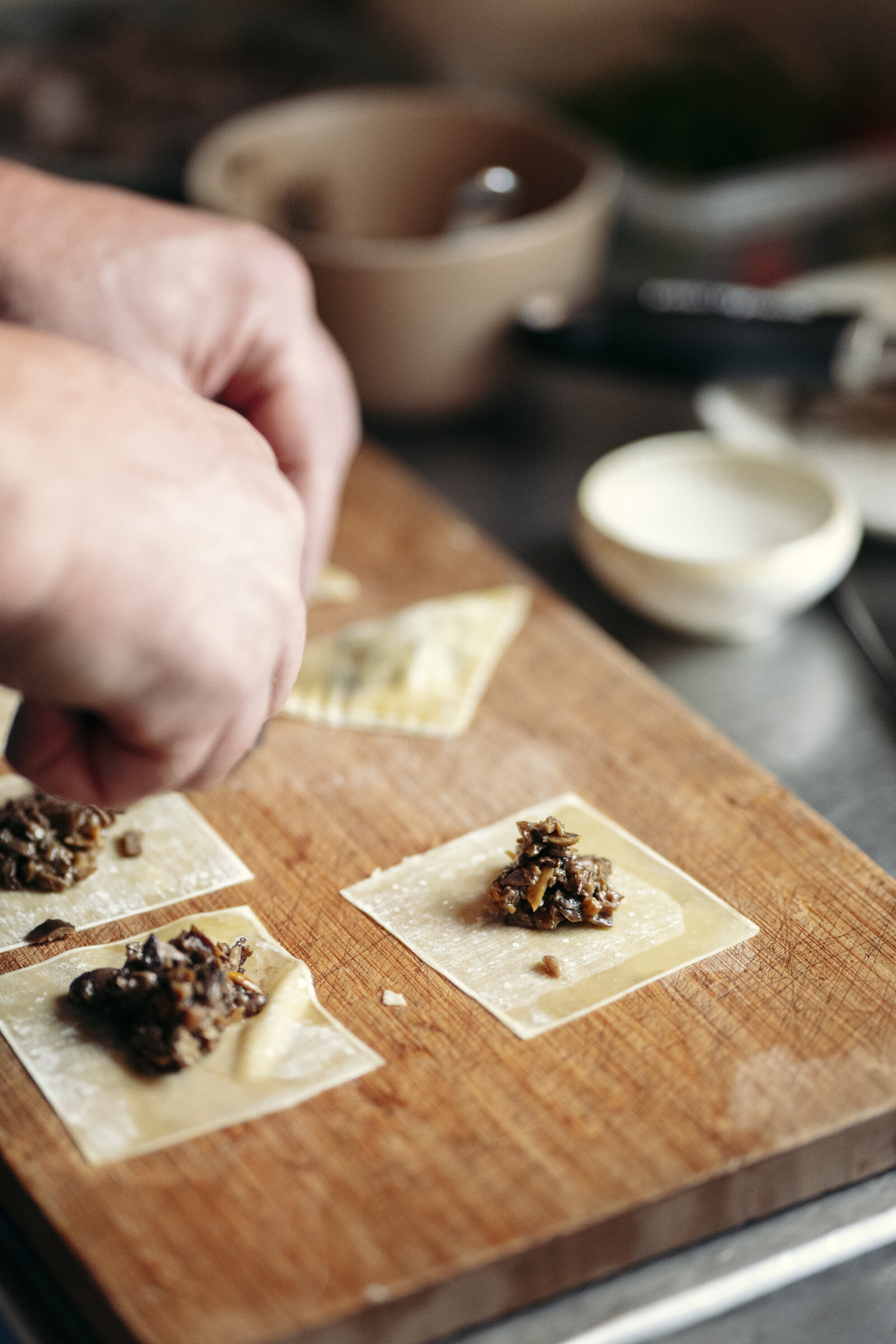
Foraging tours can be combined with a meal. It can be as a cooking school, or more simply, where the foraged ingredients become a standing bite to eat made together. I typically bring something pickled, salted or fermented from another season, as well as dairy products, fish, shellfish, poultry, meat and farm vegetables.
Meet your guide
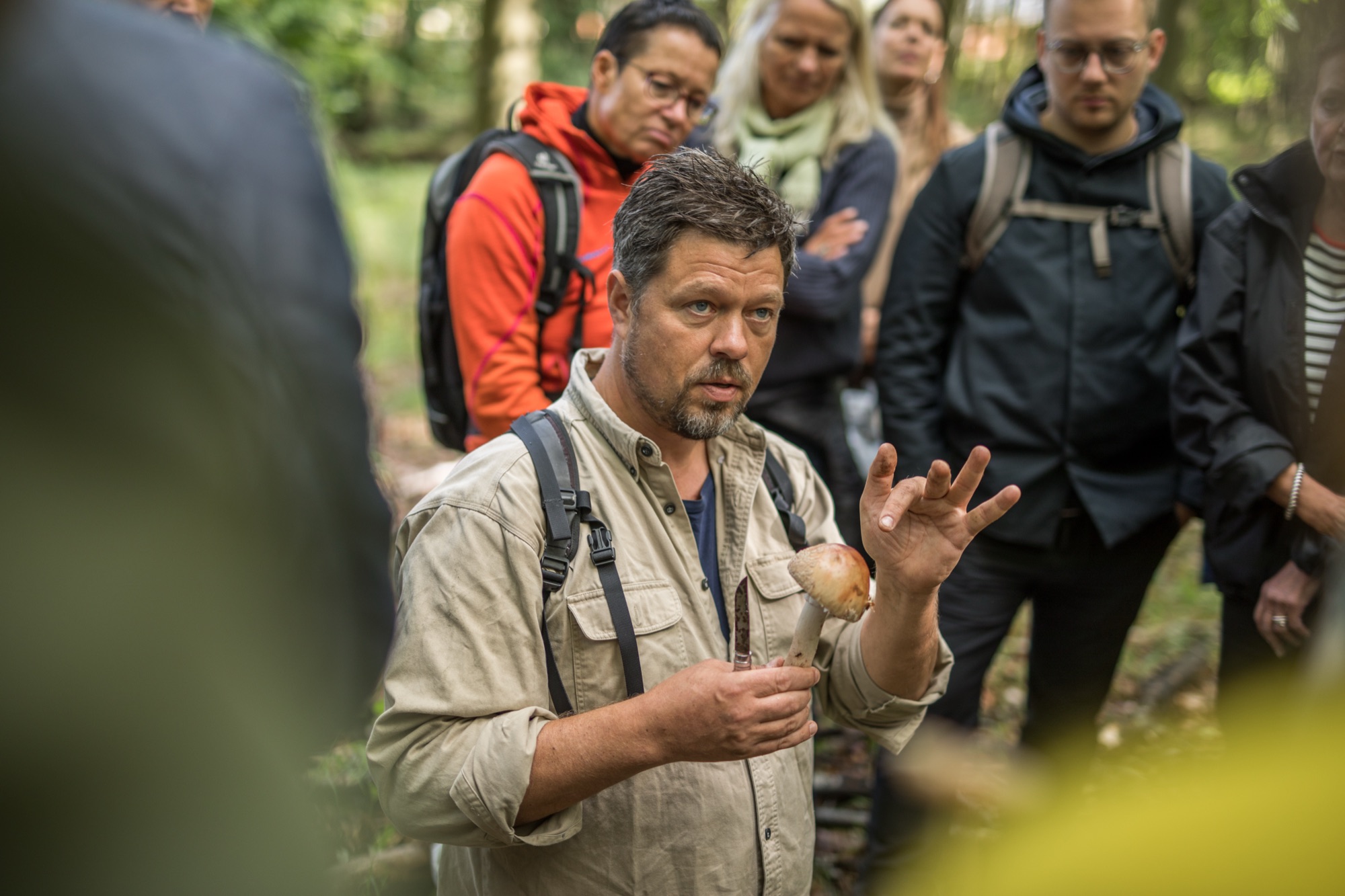
Thomas Laursen — foraging expert and teacher
Thomas Laursen is a seasoned foraging expert who combines professional knowledge with sensory teaching. His culinary approach to nature has been a gateway for many new foragers, and his tours are the very best way to get started with foraging.
Thomas knows the habitats and can read which plants, mushrooms, berries and herbs you'll find. He shows you how to scan the landscape, see connections, and understand where it pays to look. On the tours he speaks about the seasons — and the microseasons within them.
Participants learn to use sight, smell, touch, texture and taste as tools for recognition, so the learning becomes practical and intuitive — sensory, really. Tours are tailored to the group and balance theory and practice in an inclusive, curious atmosphere.
In short: Thomas makes foraging knowledge tangible, sensory and usable — so participants leave with confidence, safety and new flavor experiences.
Foraging Tours
What is a foraging tour?
A foraging tour is much more than collecting ingredients; it is a sensory, educational and often community-building experience. For some it feels like coming home, finding meaning and joy simply by having a purpose in nature. It becomes a doorway to a regular activity, even with children. Others are just happy with delicious free food.
On a foraging tour, the group is led by an experienced guide who shows where to find edible herbs, flowers, berries, nuts and mushrooms. A good guide explains the connections between plants, animals and fungi, the significance of habitats, and demonstrates sustainable harvest technique. The tour combines identification with a culinary experience — knowledge that stays with you.
You can forage in many places: deciduous forests, scrubland, meadows, downland, along streams and lakes, on the coast or other shoreline areas. Urban green spaces and gardens can also be great places to forage at the right time. It all depends on the season and the eyes that see. A good guide can read what each spot has to offer — and Thomas is a true expert in this field.
Spring tours typically offer tender shoots and herbs like nettle, wild garlic, wood sorrel and dandelion leaves. Summer offers the same plants, but only smaller parts remain good to use — and new species take over. Late summer and autumn bring mushrooms, berries and nuts. Coastal tours are great from May through September.
Certain finds can be dangerous, especially mushrooms and some herbs, if you cannot identify the species precisely. That is why safe identification is essential: never eat anything you are not 100 % sure about. A guide teaches you the toxic look-alikes, correct tests and conservative principles — and how sensory recognition (smell, texture, controlled tasting) plays in.
Motivations for joining a foraging tour vary. For some it's the wish for fresh, local food with strong flavor; for others, learning about nature and ecology; and for others, community, outdoor experiences and a sustainable approach to food. Most want to experience the cuisine known as New Nordic, championed especially by Noma. Wild plants have gained recognition, and there is good reason so many want to experience wild gastronomy.
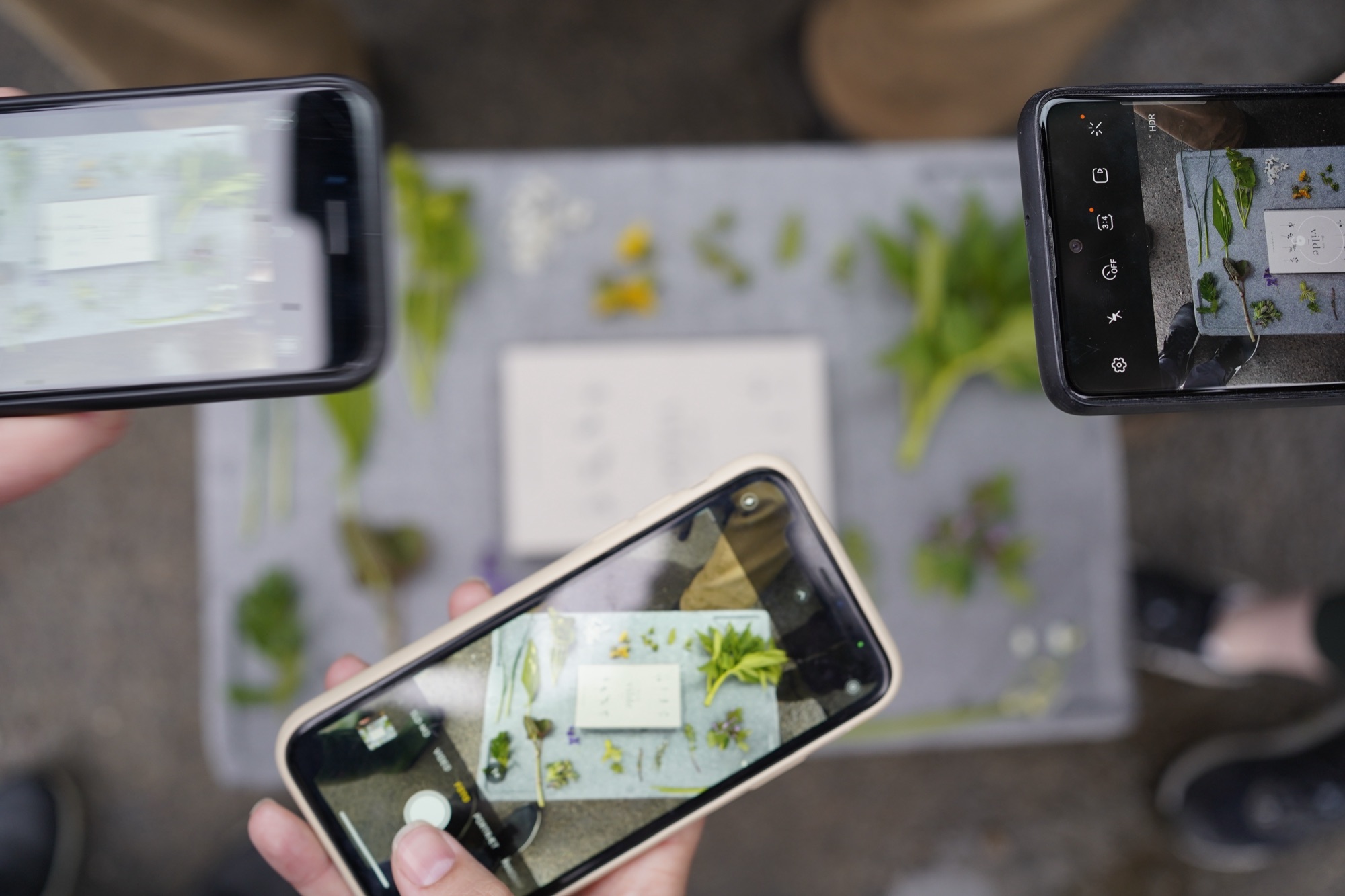
Bring a basket, tubs, bags, knife, scissors, a phone for photos, suitable clothing and water. This way foraging tours become safe, sustainable and deeply enriching — a direct link between nature and the dinner table. Tours with Thomas give you a safe, thorough introduction by Denmark's best forager, with room for questions and time to listen, smell and taste.
In Thomas's own words
I scan the wild with my eyes, and where some see a wall of green, I see nuances and flavor. I've taught myself this over the years — and really, you can't unlearn it. It stays with you.
Foraging is Pokémon Go for grown-ups — a hobby you can practice while driving, walking, cycling or just moving around the country.
Mushroom FOMO is the worst. Once I was in Barcelona while porcini were coming up in the forests back home. It was awful. I felt I was missing out every second.
More and more wild herbs are finding their way into kitchens. It's a trend, and many people want to come along into nature and learn about it. Eating the landscape is a huge motivator and a purpose that resonates broadly across Denmark right now. Wild herbs are the shit!


Season Calendar
Corporate & private events
All tours can also be booked as private or corporate events. Tailor an experience for your group – perfect for team building, birthdays, or a unique nature experience with friends.
Plan it for whenever it suits you. There is so much wild food out there.
Contact us for bookingAlso explore