51 ingredients found
Wild Garlic
The forest floor's garlic – a cornerstone of New Nordic cuisine, from leaves to capers from seeds.
Ground Elder
Lush plant that covers the forest floor – herb when young, vegetable when mature.
Dandelion
Sun-loving with toothed leaves and yellow flowers – bitter, but good with heat and fat.
Sea Kale
Robust beach plant with fleshy leaves – wonderful grilled or steamed.
Nettle
Common nettle with heart-shaped leaves – deep green umami when heated.
Elder
Lush bush with white flower clusters and dark berries – for juice, syrup and capers.
Watercress
Sharp favourite herb from running water – lots of mustard and pepper bite the mouth.
Garlic Mustard
Early thicket plant with combined onion and cress flavour – fantastic fermented.
Water Mint
Intensely aromatic by the water's edge – fresh notes for desserts and marinades.
Angelica
Tall, fragrant umbel plant with wild soapy celery flavour and warm spices.
Wood Sorrel
Small and tangy with trifoliate leaves – freshness that makes the mouth water.
Sweet Woodruff
Low ground cover that smells of vanilla, almond and hay – for desserts and syrups.
Sea Beet
Sea kale's companion – dark green with fleshy, salty leaves.
Hairy Bittercress
Winter plant with a peppery bite – perfect in salads and on open sandwiches.
Yarrow
Feathery leaves with flat flower umbels – bitter flower and mild leaves.
Sea Orache
Underused beach plant with a mild salty tone – a subtle sensation of the sea.
Mugwort
Spicy herb from field edges and beaches – leaves as herb, flowers as spice.
Fireweed
Beautiful upright plant with a violet hue – a delicate spring vegetable when picked young.
Common Hops
Climbing vine with delicate spring shoots and aromatic cones in August.
Morel
A rare and capricious mushroom that thrives with elm – years can pass between finds of edible morels.
Hooded Morel
A lovely bonus find in April and May – appears in thickets and parks after rain and mild spring temperatures.
Chanterelle
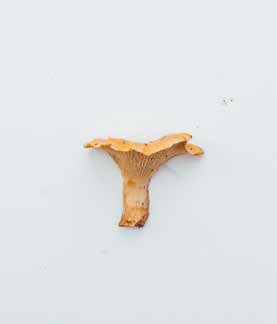
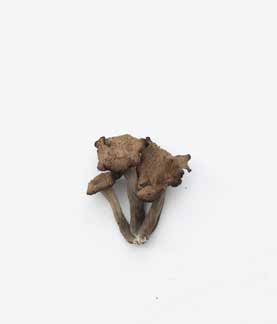
Found in many types of forest from June to November – peaks after good rainfall and always grows in small groups.
Funnel Chanterelle
Common in both beech and spruce forests – grows in large groups, and you can find thousands in one spot.
Horn of Plenty
Grows only in beech forest in Denmark – thrives in humus-rich coastal woods and can be hard to spot in fallen leaves.
Hedgehog Mushroom
Found in both deciduous and coniferous forest – grows larger in beech forest and can be abundant in coniferous forest.
Porcini
A very popular edible mushroom found in many different types of forest, but preferring spruce plantations and beech forest.
Summer bolete
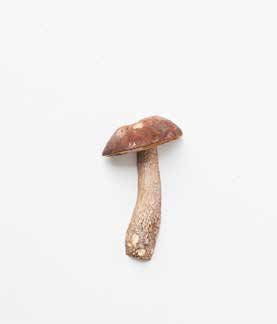
Karl Johan's cousin – slightly lighter, arrives a bit earlier in the season, and unfortunately almost always infested with worms.
Indigo Bolete
Actually three mushrooms – the best is the dotted-stem indigo bolete, which is widespread and grows in many places.
Pine bolete
Grows with pine and occasionally also with spruce – edible after thorough cooking.
Hollow-stemmed suillus
Hollow-stemmed bolete stands in thousands in spruce plantations late in the year – technically a suillus, but not slimy at all.
Brittlegills
Colourful mushrooms in coniferous and deciduous forest – crab brittlegill, charcoal burner and several other edible species.
Milk Caps
Several species with a distinct orange colour – from the delicious milk cap in pine forest to the saffron milk cap along forest paths.
Chicken of the Woods
Typically grows in two periods, May or August–September – primarily on oak, but also on willow and fruit trees.
Beefsteak fungus
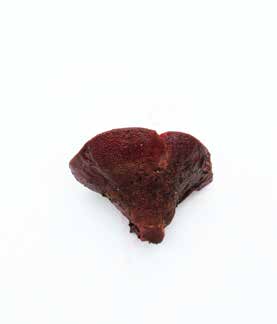
A peculiar mushroom found only on older oak trees – beautiful and almost meat-like in texture.
Hen of the Woods
Grows exclusively at the base of old oaks – resembles small hens sitting in a flock around an oak tree.
Giant Polypore
One of the giants – can grow enormous with multiple fruit bodies, and you can find up to 50 kilos in one spot.
Oyster Mushroom
Found on many tree species, living and dead wood – grows from October to April and tolerates frost.
Velvet Shank
A winter mushroom that grows on stumps and logs through most of winter – also in parks and thickets.
Honey Fungus
Grows in large clusters on stumps – firm flesh, good for fermenting.
Fairy Ring Mushroom
Thrives in beech forest alongside the horn of plenty – grows on the forest floor and on sticks and stumps.
St. George's Mushroom
Found in early spring in parks, gardens, woods and churchyards – a pale gilled mushroom with a distinctive smell of wet flour.
Giant Puffball
A fascinating mushroom – there is something special about slicing a centimetre-thick, plate-sized piece from a giant puffball.
Shaggy ink cap
Also called shaggy mane – a distinctive white gilled mushroom with scales, seen along roads and in fertilised lawns.
Cauliflower Fungus
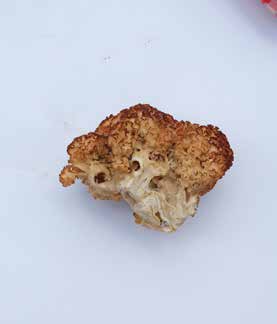
A fascinating mushroom that grows enormous – thrives in acidic soil with older conifers and is one of the very best edible mushrooms.
Truffle
An underground mushroom with an intense, aromatic scent – the diamond of gastronomy.
Blackberry
Late summer's sweet, dark berries from hedgerows and forest edges.
Rose Hip
Rich in vitamin C – used for soup, jam and powder.
Sloe Berry
Small blue-black berries from the blackthorn, classically used for sloe gin.
Juniper
Aromatic berries with a resinous, spicy flavour for game and sauces.
Lingonberry
Tart red berries from the heath, perfect as an accompaniment to game dishes.
Sea Buckthorn
Thorny coastal bush with orange berries – flavour of passion fruit, orange and mango.
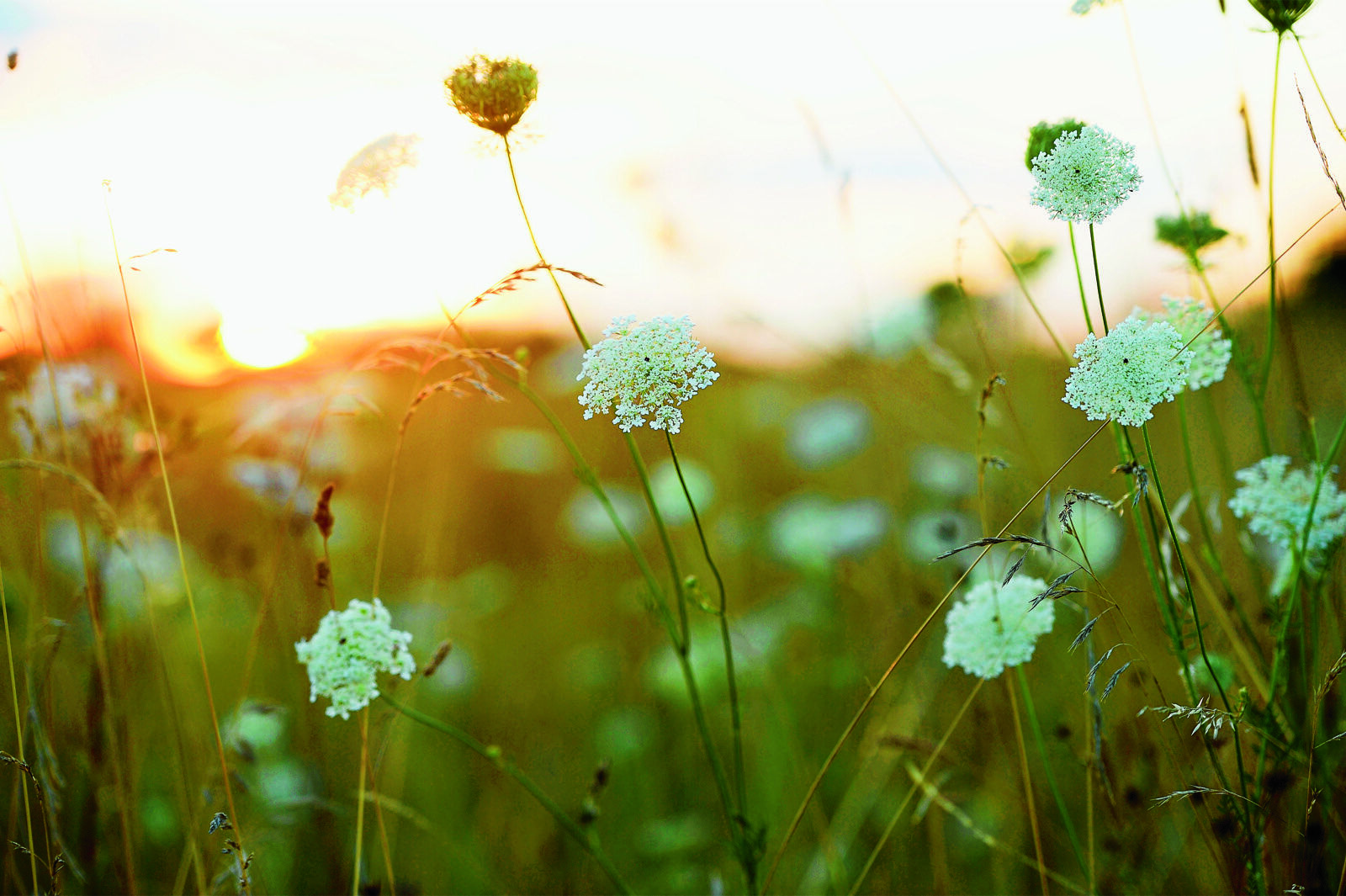
01
Wild herbs
From forest floor to salt marsh – spring and summer's wild greens
Wild Garlic
The forest floor's garlic – a cornerstone of New Nordic cuisine, from leaves to capers from seeds.
Ground Elder
Lush plant that covers the forest floor – herb when young, vegetable when mature.
Dandelion
Sun-loving with toothed leaves and yellow flowers – bitter, but good with heat and fat.
Sea Kale
Robust beach plant with fleshy leaves – wonderful grilled or steamed.
Nettle
Common nettle with heart-shaped leaves – deep green umami when heated.
Elder
Lush bush with white flower clusters and dark berries – for juice, syrup and capers.
Watercress
Sharp favourite herb from running water – lots of mustard and pepper bite the mouth.
Garlic Mustard
Early thicket plant with combined onion and cress flavour – fantastic fermented.
Water Mint
Intensely aromatic by the water's edge – fresh notes for desserts and marinades.
Angelica
Tall, fragrant umbel plant with wild soapy celery flavour and warm spices.
Wood Sorrel
Small and tangy with trifoliate leaves – freshness that makes the mouth water.
Sweet Woodruff
Low ground cover that smells of vanilla, almond and hay – for desserts and syrups.
Sea Beet
Sea kale's companion – dark green with fleshy, salty leaves.
Hairy Bittercress
Winter plant with a peppery bite – perfect in salads and on open sandwiches.
Yarrow
Feathery leaves with flat flower umbels – bitter flower and mild leaves.
Sea Orache
Underused beach plant with a mild salty tone – a subtle sensation of the sea.
Mugwort
Spicy herb from field edges and beaches – leaves as herb, flowers as spice.
Fireweed
Beautiful upright plant with a violet hue – a delicate spring vegetable when picked young.
Common Hops
Climbing vine with delicate spring shoots and aromatic cones in August.
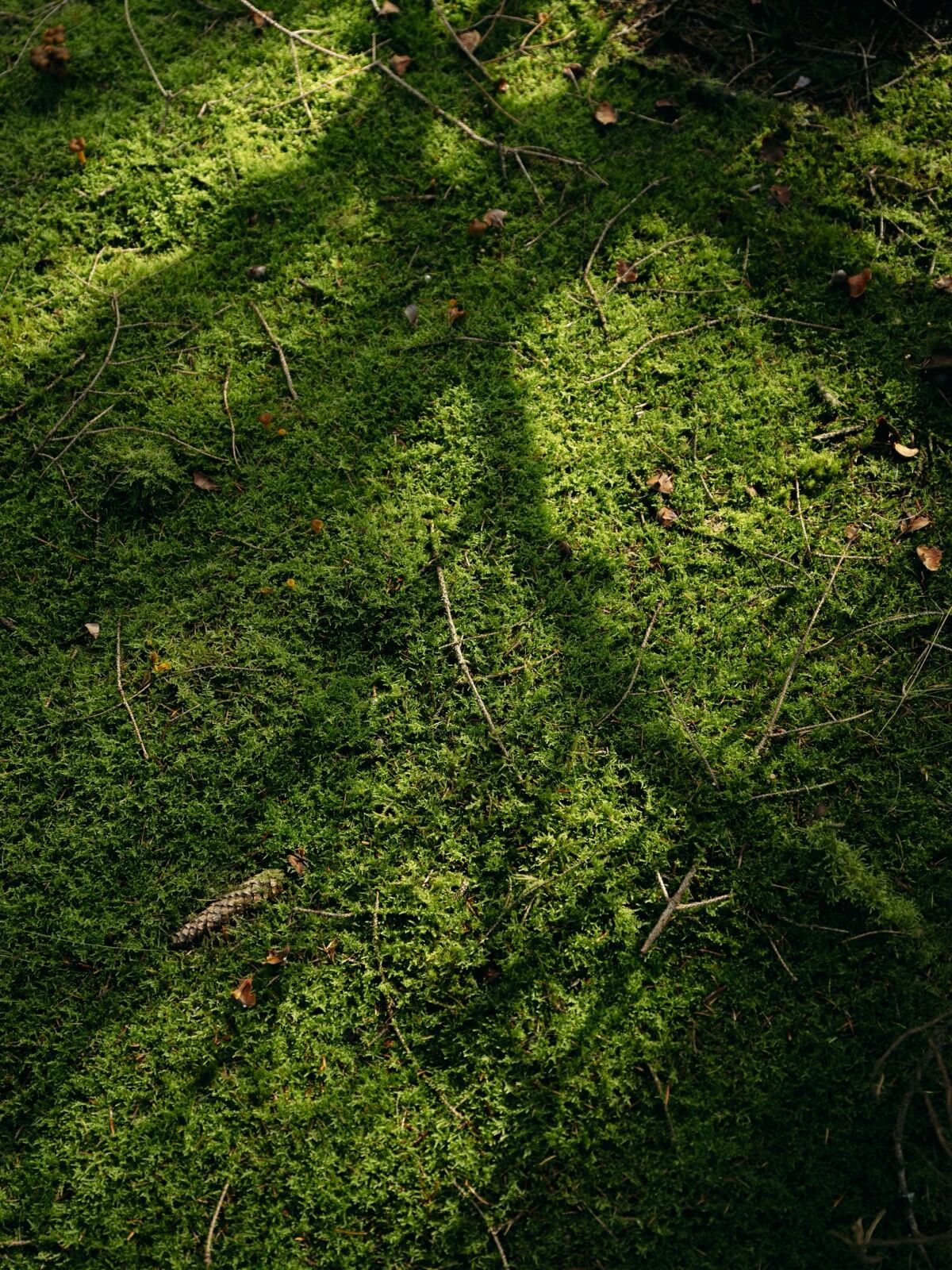
02
Mushrooms
Autumn treasures from the forest floor
Morel
A rare and capricious mushroom that thrives with elm – years can pass between finds of edible morels.
Hooded Morel
A lovely bonus find in April and May – appears in thickets and parks after rain and mild spring temperatures.
Chanterelle
Found in many types of forest from June to November – peaks after good rainfall and always grows in small groups.
Funnel Chanterelle
Common in both beech and spruce forests – grows in large groups, and you can find thousands in one spot.
Horn of Plenty
Grows only in beech forest in Denmark – thrives in humus-rich coastal woods and can be hard to spot in fallen leaves.
Hedgehog Mushroom
Found in both deciduous and coniferous forest – grows larger in beech forest and can be abundant in coniferous forest.
Porcini
A very popular edible mushroom found in many different types of forest, but preferring spruce plantations and beech forest.
Summer bolete
Karl Johan's cousin – slightly lighter, arrives a bit earlier in the season, and unfortunately almost always infested with worms.
Indigo Bolete
Actually three mushrooms – the best is the dotted-stem indigo bolete, which is widespread and grows in many places.
Pine bolete
Grows with pine and occasionally also with spruce – edible after thorough cooking.
Hollow-stemmed suillus
Hollow-stemmed bolete stands in thousands in spruce plantations late in the year – technically a suillus, but not slimy at all.
Brittlegills
Colourful mushrooms in coniferous and deciduous forest – crab brittlegill, charcoal burner and several other edible species.
Milk Caps
Several species with a distinct orange colour – from the delicious milk cap in pine forest to the saffron milk cap along forest paths.
Chicken of the Woods
Typically grows in two periods, May or August–September – primarily on oak, but also on willow and fruit trees.
Beefsteak fungus
A peculiar mushroom found only on older oak trees – beautiful and almost meat-like in texture.
Hen of the Woods
Grows exclusively at the base of old oaks – resembles small hens sitting in a flock around an oak tree.
Giant Polypore
One of the giants – can grow enormous with multiple fruit bodies, and you can find up to 50 kilos in one spot.
Oyster Mushroom
Found on many tree species, living and dead wood – grows from October to April and tolerates frost.
Velvet Shank
A winter mushroom that grows on stumps and logs through most of winter – also in parks and thickets.
Honey Fungus
Grows in large clusters on stumps – firm flesh, good for fermenting.
Fairy Ring Mushroom
Thrives in beech forest alongside the horn of plenty – grows on the forest floor and on sticks and stumps.
St. George's Mushroom
Found in early spring in parks, gardens, woods and churchyards – a pale gilled mushroom with a distinctive smell of wet flour.
Giant Puffball
A fascinating mushroom – there is something special about slicing a centimetre-thick, plate-sized piece from a giant puffball.
Shaggy ink cap
Also called shaggy mane – a distinctive white gilled mushroom with scales, seen along roads and in fertilised lawns.
Cauliflower Fungus
A fascinating mushroom that grows enormous – thrives in acidic soil with older conifers and is one of the very best edible mushrooms.
Truffle
An underground mushroom with an intense, aromatic scent – the diamond of gastronomy.
03
Wild berries
Wild berries from the hedgerow, heath and coast
Blackberry
Late summer's sweet, dark berries from hedgerows and forest edges.
Rose Hip
Rich in vitamin C – used for soup, jam and powder.
Sloe Berry
Small blue-black berries from the blackthorn, classically used for sloe gin.
Juniper
Aromatic berries with a resinous, spicy flavour for game and sauces.
Lingonberry
Tart red berries from the heath, perfect as an accompaniment to game dishes.
Sea Buckthorn
Thorny coastal bush with orange berries – flavour of passion fruit, orange and mango.
Mushroom Families
Mushrooms are a kingdom of their own, with their very own way of life; they are very different and have different ways of living. Some live by decomposing dead tissue on, for example, trees, others live as parasites on living organisms such as trees, animals, or plants. A final group lives in symbiosis with trees and bushes, and among them we find some of the very best edible mushrooms.
There are approximately 4,000-5,000 different mushrooms in Denmark, and the number grows every year. Not all are visible to the naked eye, and it is certainly not all that are relevant for an edible mushroom forager.
Most mushrooms produce fruiting bodies one or more times a year when conditions are optimal, and when we say we collect mushrooms, we are actually not collecting mushrooms but fruiting bodies from mushrooms. Fruiting bodies can look very different, but the typical form is the mushroom that grows on the ground and that we pick for eating. You could say that fruiting bodies are the mushroom's apple, that the mushroom itself is the apple tree, and the spores are seeds. The mushroom itself is a mycelium; a branching network of elongated hyphae that almost resemble sewing threads.
I myself eat a large and varied amount of mushrooms every year; some of them only once or twice, others perhaps 50 times in more or less prominent roles in dishes.
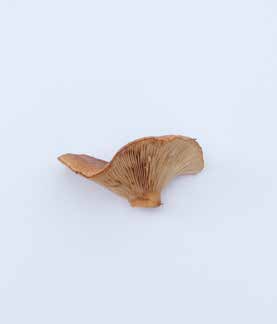
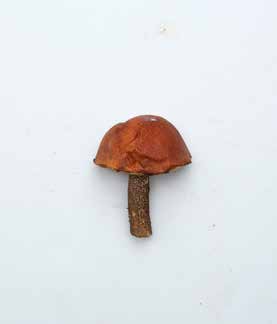
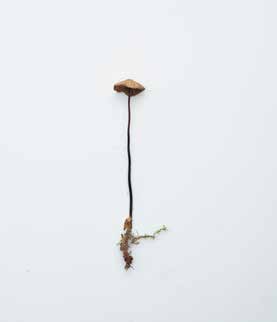
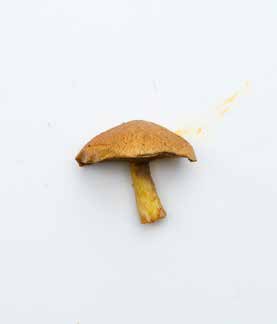
Mushroom flavours and textures
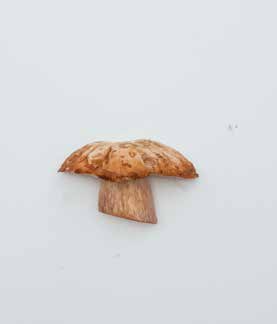
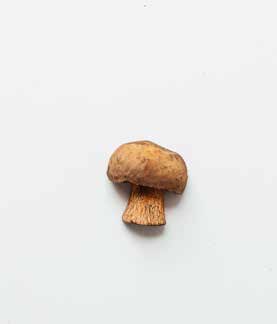
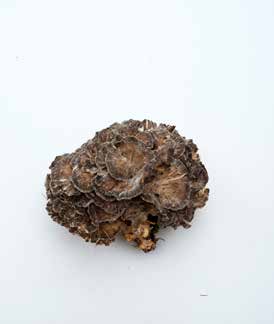
Some mushrooms are mild, others strongly flavoured. Some mushrooms are fruity, others have dark forest floor as their base flavour. Some are rich in umami, some have a distinctive taste of their own, such as apricot, anise, nut, onion or other. Some are tough, others crispy, almost crunchy. All these qualities can be used in different ways, and it takes more than a mushroom stew to get the full benefit.
Milk caps and brittlegills are more crisp than most other mushrooms. They have no long fibres and break like dry cheese or yeast. This makes them particularly suited for pickling. Puffballs are soft and absorbent – the best way to prepare them is by creating a crispy surface, for example by breading.
Mature large boletes can be soft, but not indigo boletes, which retain their crispness. Brown birch boletes are soft after cooking, with good flavour but abundant softness. Chicken of the woods is fantastic, but must be picked at the right time – if picked too late it becomes fibrous and tough.


Also explore